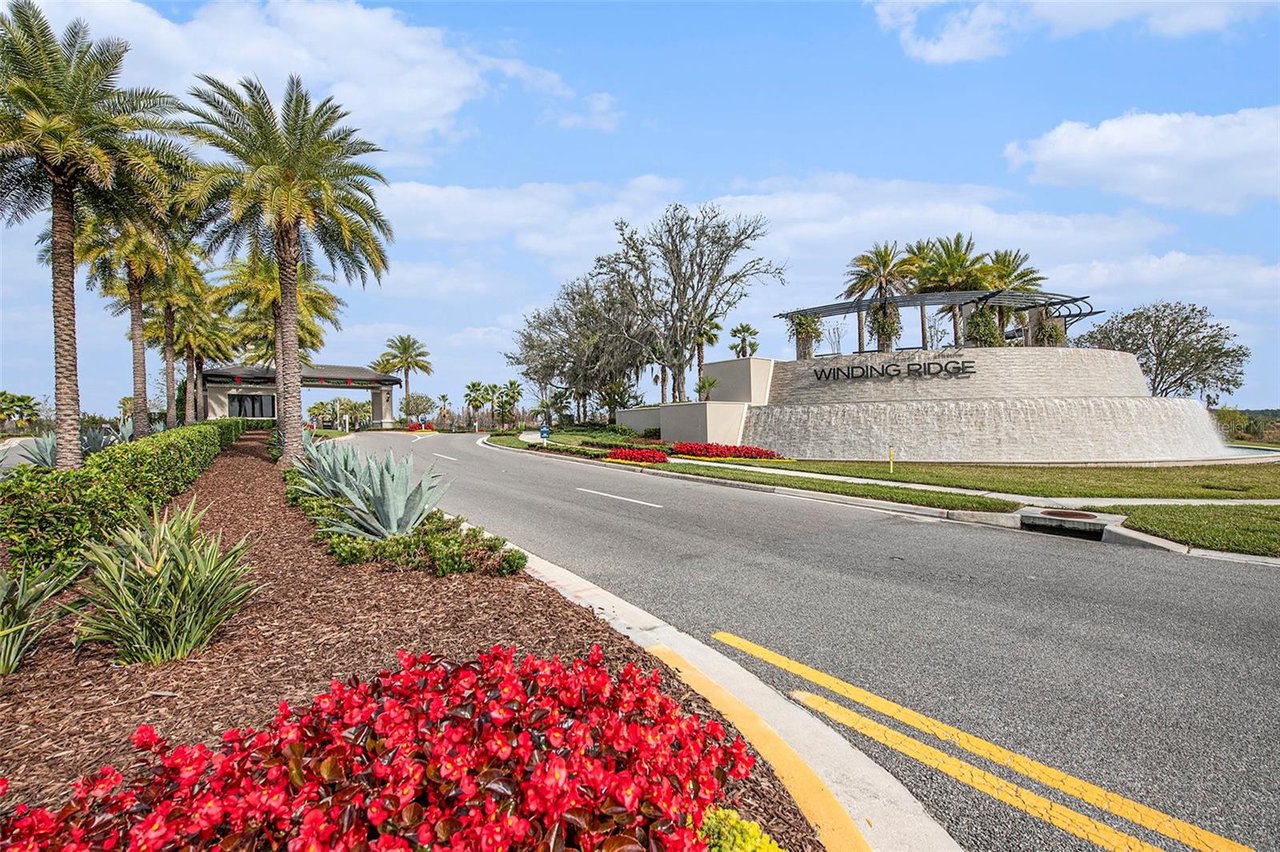
Are you seeing splashy Winding Ridge promos for low rates, big credits, or free upgrades and wondering what is real value? You are not alone. Incentives can lower your upfront costs or payment today, but some raise costs later if you are not careful. In this guide, you will learn how to break down rate buydowns, credits, upgrades, and preferred-lender offers so your total cost of ownership in 33543 stays on track. Let’s dive in.
The incentive types you will see
Rate buydowns
- Temporary buydown: lowers your rate for the first 1 to 3 years, then the rate resets to the note rate. Ask for the exact payment schedule.
- Permanent buydown: builder-paid points lower your interest rate for the life of the loan. Useful if you plan to keep the loan longer.
Closing-cost credits and lender credits
- Credits can cover closing costs and prepaids. Some offers require using a preferred lender or title company. Get the requirement in writing.
Option upgrades and design-center allowances
- These include flooring, appliances, or landscaping. Watch for limits by package tier or expiration date.
Price reductions or promo pricing
- These reduce the base price instead of fees at closing. Fewer builders prefer this, but it has long-term benefits.
Rate locks, appraisal protections, interest-rate protection
- Some promos include a rate lock or rare appraisal-gap support. Always request written terms.
How incentives change your true cost
Temporary vs. permanent buydowns
- Temporary buydown: You get lower payments early, which helps cash flow and qualifying, but your payment rises after the buydown ends. Ask the lender for the buydown worksheet that shows each year’s payment.
- Permanent buydown: Points lower your rate for the full term. Consider a payback analysis. If you will keep the loan longer than the break-even period, this can be a win.
- Action step: Request a Loan Estimate that reflects any buydown funds and your actual note rate. The CFPB’s guide to Loan Estimates explains what to look for.
Credits vs. price reduction
- Closing-credit: Cuts your cash needed at closing but does not reduce loan principal or property taxes. Lenders cap seller-paid credits, so verify limits.
- Price reduction: Lowers your loan amount and can reduce monthly payments and tax basis long term. Builders often prefer credits, so push for clarity on tradeoffs.
- Action step: Ask for an itemized statement showing exactly how credits apply and where they appear on your Closing Disclosure.
Appraisal and underwriting ripple effects
- Appraisals use comparable sales. Price cuts may influence comps differently than closing credits. Underwriting may limit certain seller-paid items.
- Action step: Get written confirmation from the lender that contributions comply with program rules, and compare with your Loan Estimate.
Tax basics on points and interest
- If the seller or builder pays points, tax treatment can vary. Review the IRS overview of interest and points, then consult your tax advisor. See IRS Topic 505.
Preferred lenders: compare with confidence
Why builders promote them
- Preferred lenders and title partners often speed closings and coordinate incentives. Some discounts are only available with the preferred lender.
Your rights and disclosures
- You can shop for financing. If there is an affiliated business relationship, it must be disclosed. Use written quotes and review standard disclosures. The CFPB’s homebuying resources explain how to compare offers and your protections.
Make an apples-to-apples comparison
- Get at least two Loan Estimates: one from the preferred lender and one or two independents.
- Compare four layers:
- The note rate after any points or lender credits.
- Net closing costs to you after credits.
- Monthly payments during a temporary buydown and after it ends.
- Long-term cost based on how long you plan to hold the loan.
- Ask lenders to model any “builder pays X points” scenario on the Loan Estimate so you can see the real impact.
Red flags and negotiation levers
- Red flags: incentives only if you use the preferred lender with no written breakdown, credits that disappear at underwriting, or offers that expire quickly without documentation.
- Levers: ask to convert some credits to a price reduction if appraisal risk is high, add a clear incentive addendum that survives underwriting, or swap short deadlines for better warranty terms.
33543 costs that can flip the math
Property taxes, CDD, and HOA
- Many new communities in Pasco include HOA fees and Community Development District assessments. These are recurring and can be significant.
- Action steps: Ask for HOA and CDD budgets, recent minutes, and any disclosures. Request a property-tax estimate for your specific homesite and confirm how prorations will work at closing.
Insurance in Florida
- Homeowners insurance can be higher due to wind and hurricane exposure. Flood risk is separate, and lenders may require flood coverage even outside high-risk zones.
- Action steps: Get two insurance quotes, ask about wind deductibles, and confirm flood-zone status using the FEMA Flood Map Service Center. For statewide insurance context, check the Florida Office of Insurance Regulation.
Utilities, impact and connection fees
- New subdivisions may pass through impact or connection fees. These are not reduced by builder credits.
- Action step: Request a list of all third-party fees and when they are due.
Your step-by-step plan before you sign
Due diligence checklist
- Get the full builder contract plus all incentive and marketing addenda in writing.
- Ask for a list of standard features vs. paid options with prices.
- Request HOA and CDD budgets and any architectural guidelines.
- Pull recent comparable sales for similar new builds and confirm what incentives are typical.
- Secure two or more Loan Estimates, including one from the preferred lender, with any buydown modeled. Use the CFPB Loan Estimate guide to review line by line.
- Obtain preliminary insurance quotes and confirm flood-zone status via FEMA maps.
Contract language to insist on
- A written incentive addendum that states exact amounts, where credits appear on the Closing Disclosure, and what happens if underwriting limits any contribution.
- For buydowns: the seller contribution amount, how funds are recorded, and the schedule of payments during and after the buydown.
- Any preferred-lender or title requirement and, if applicable, an affiliated business disclosure. You remain free to choose another lender.
Negotiation moves that work
- If appraisal risk is a concern, ask to convert part of the credit to a price reduction.
- If you plan to keep the loan long term, prioritize permanent rate reductions or price cuts over short-term perks.
- If you expect to refinance soon, a temporary buydown may create near-term relief without overpaying for long-term points.
Closing and post-closing checks
- Confirm the Closing Disclosure matches all commitments and shows the credits correctly.
- Get warranty terms and final punch-list responsibilities in writing.
- Request copies of recorded HOA and CDD documents for your records.
Quick buyer math checklist
- What is your monthly payment during any temporary buydown and after it ends?
- How do credits change your cash to close compared with a price reduction?
- What are your total recurring costs: principal and interest, taxes, insurance, HOA, and CDD?
- If points are paid, what is the break-even timeline based on your hold period?
- Do appraisal, lender caps, or program rules limit any part of the incentive?
Choosing a new-build at Winding Ridge should feel exciting and smart, not stressful. When you model the payments, document the credits, compare lenders with Loan Estimates, and factor in local taxes, CDD and insurance, you can lock the right home at the right total cost. If you want a second set of eyes on an incentive package or help negotiating terms, reach out to Vioma Lorenzo. We are local, bilingual, and here to help you move with confidence.
FAQs
What is a 2-1 buydown on a Winding Ridge new home?
- A temporary buydown that lowers your payment for two years before it resets to the full note rate, so ask for the buydown worksheet and a matching Loan Estimate.
Do I have to use the builder’s preferred lender at Winding Ridge?
Are builder credits better than a price reduction in 33543?
- Credits cut cash to close but do not lower your loan amount or taxes, while price reductions can lower long-term payments, so compare both on your Loan Estimate and Closing Disclosure.
How do CDD and HOA fees affect affordability?
- They are recurring costs that add to your monthly carry, so review the HOA and CDD budgets and include them in your total monthly payment estimate.
How can I check flood risk for a Wesley Chapel new build?