Guide to Wesley Chapel Master-Planned Communities
December 4, 2025
December 4, 2025
Thinking about a home in one of Wesley Chapel’s master-planned communities but not sure how everything works? You’re not alone. These neighborhoods can offer impressive amenities and a smooth day-to-day lifestyle, yet they come with layers of governance, fees, and rules that you should understand before you buy. In this guide, you’ll learn what an MPC is, how HOAs and CDDs affect your costs, what amenities to expect, and the documents to review so you can purchase with confidence. Let’s dive in.
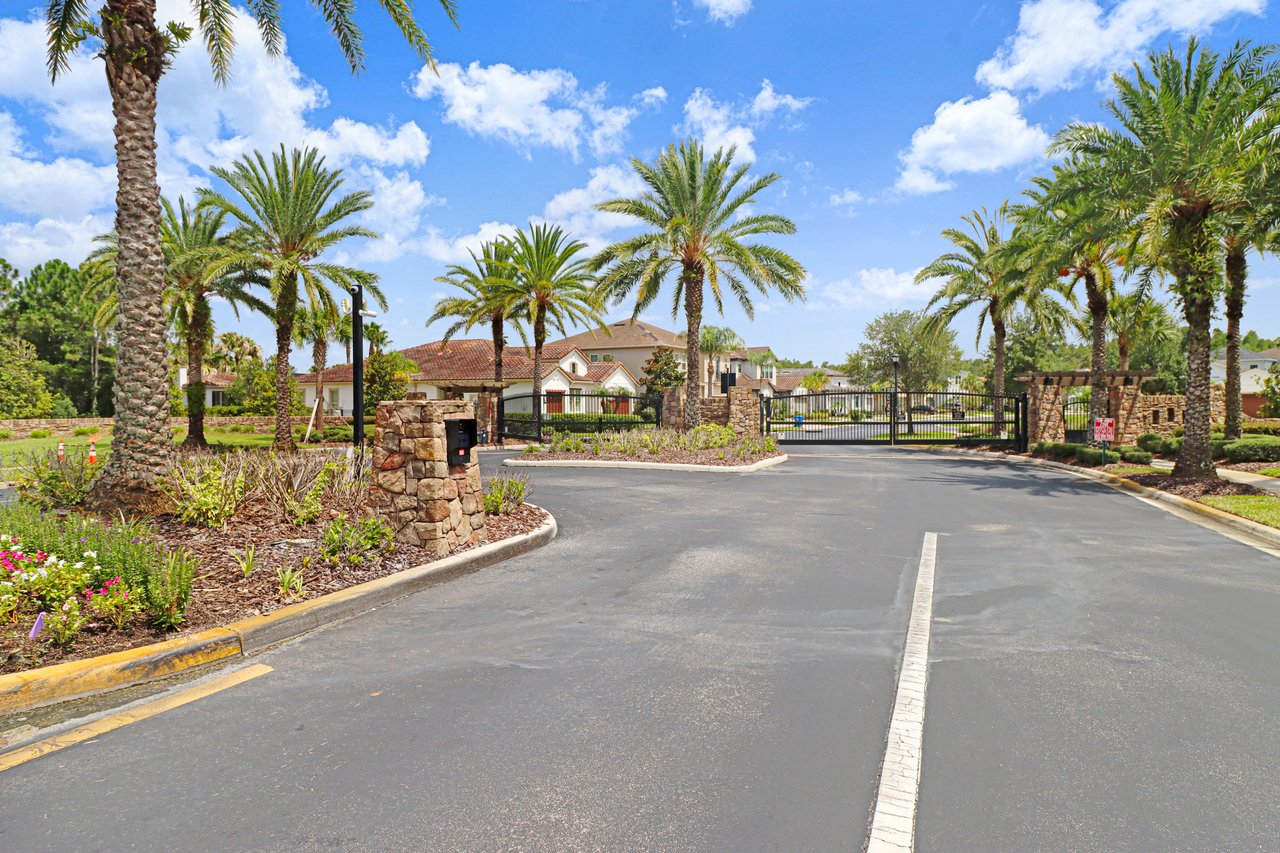
A master-planned community, or MPC, is a large development built over many years under a unified plan. You’ll often see a mix of home types, from single-family homes to townhomes, and sometimes condos, plus on-site recreation and neighborhood retail. Private amenities and common areas are bundled under community governance, usually an HOA and sometimes a condominium association.
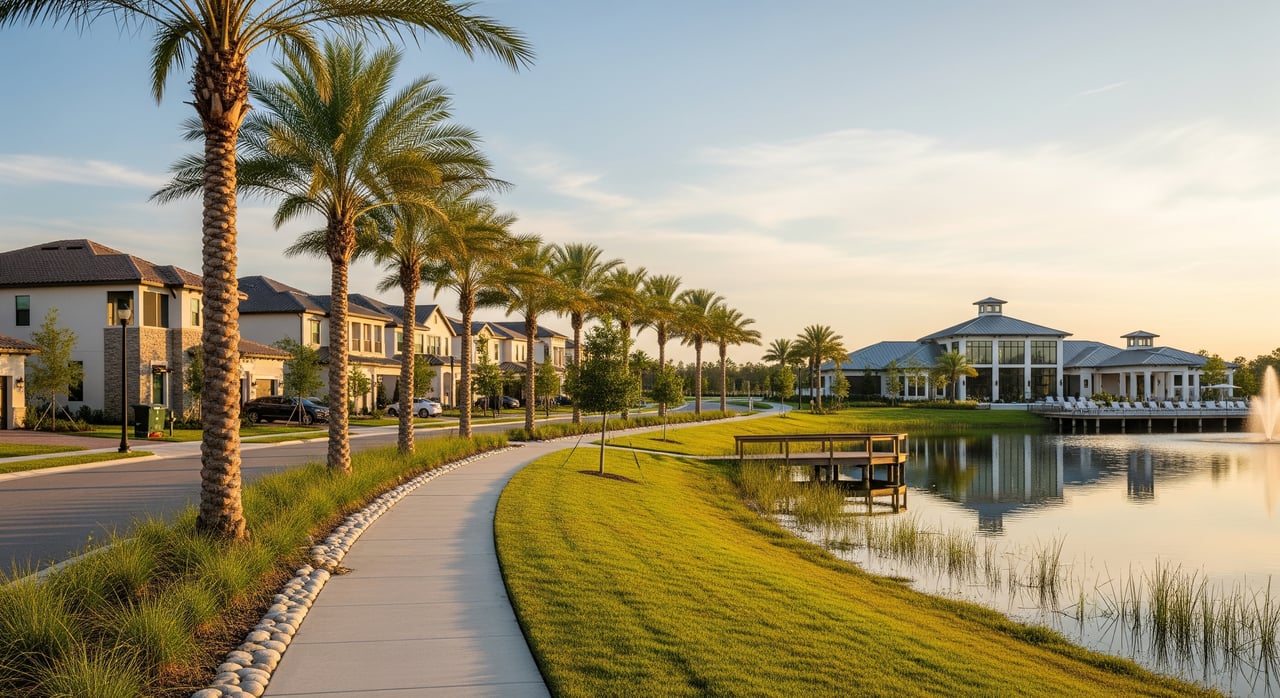
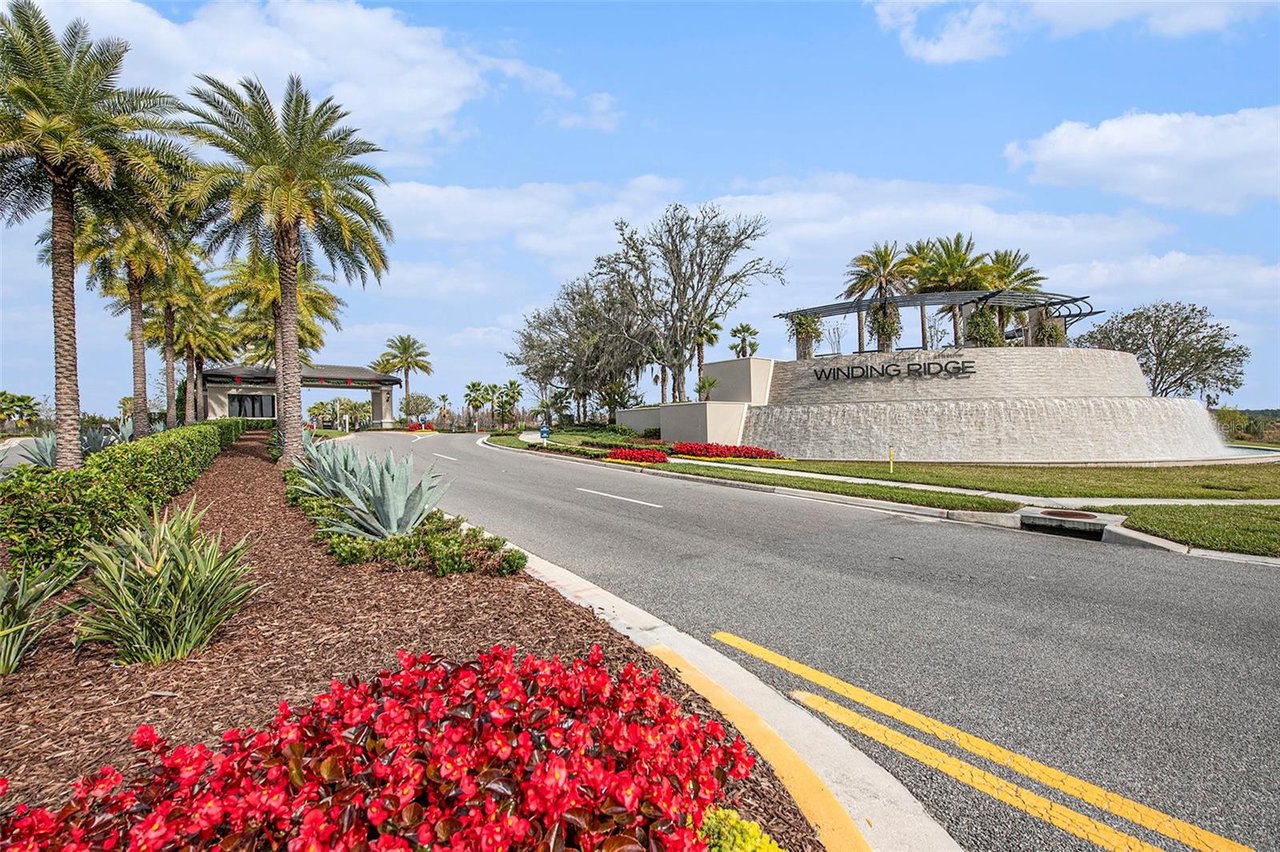
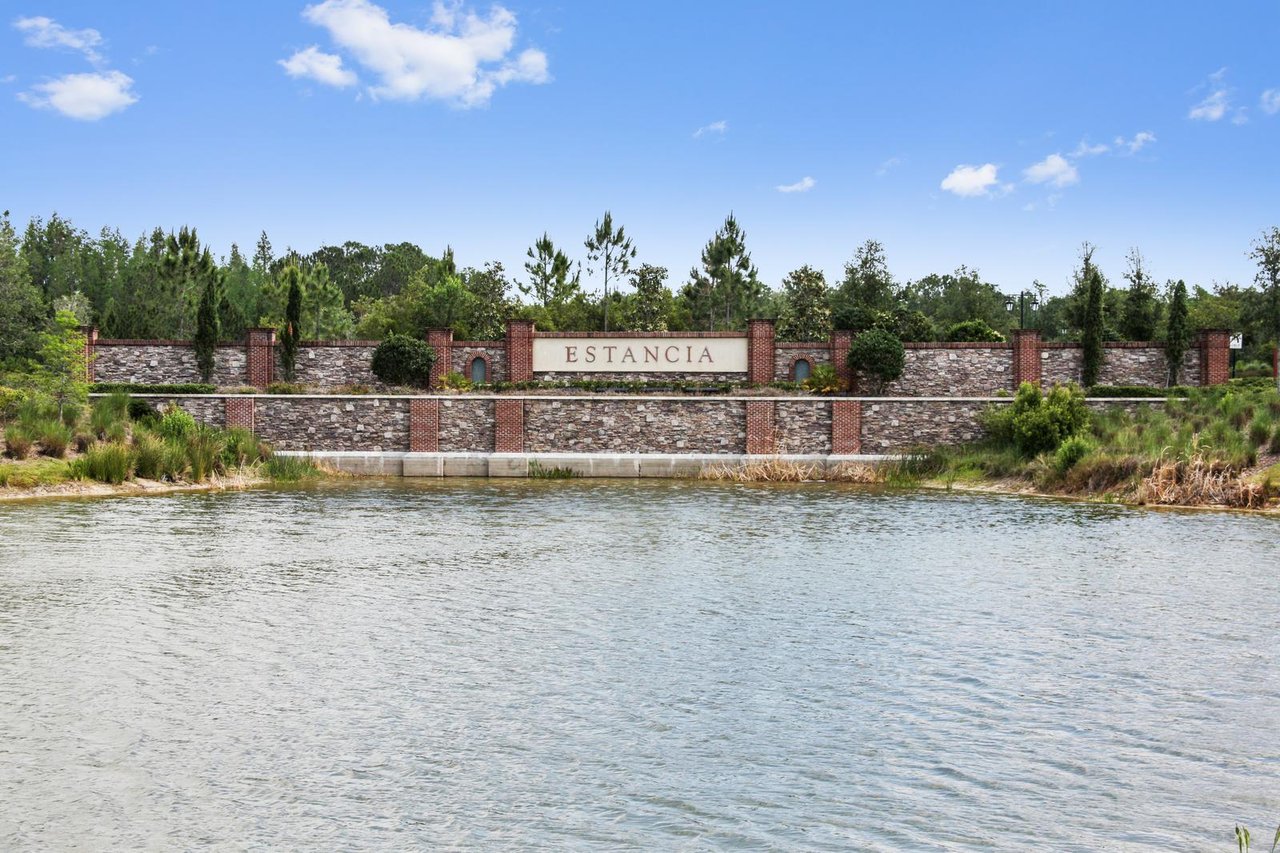
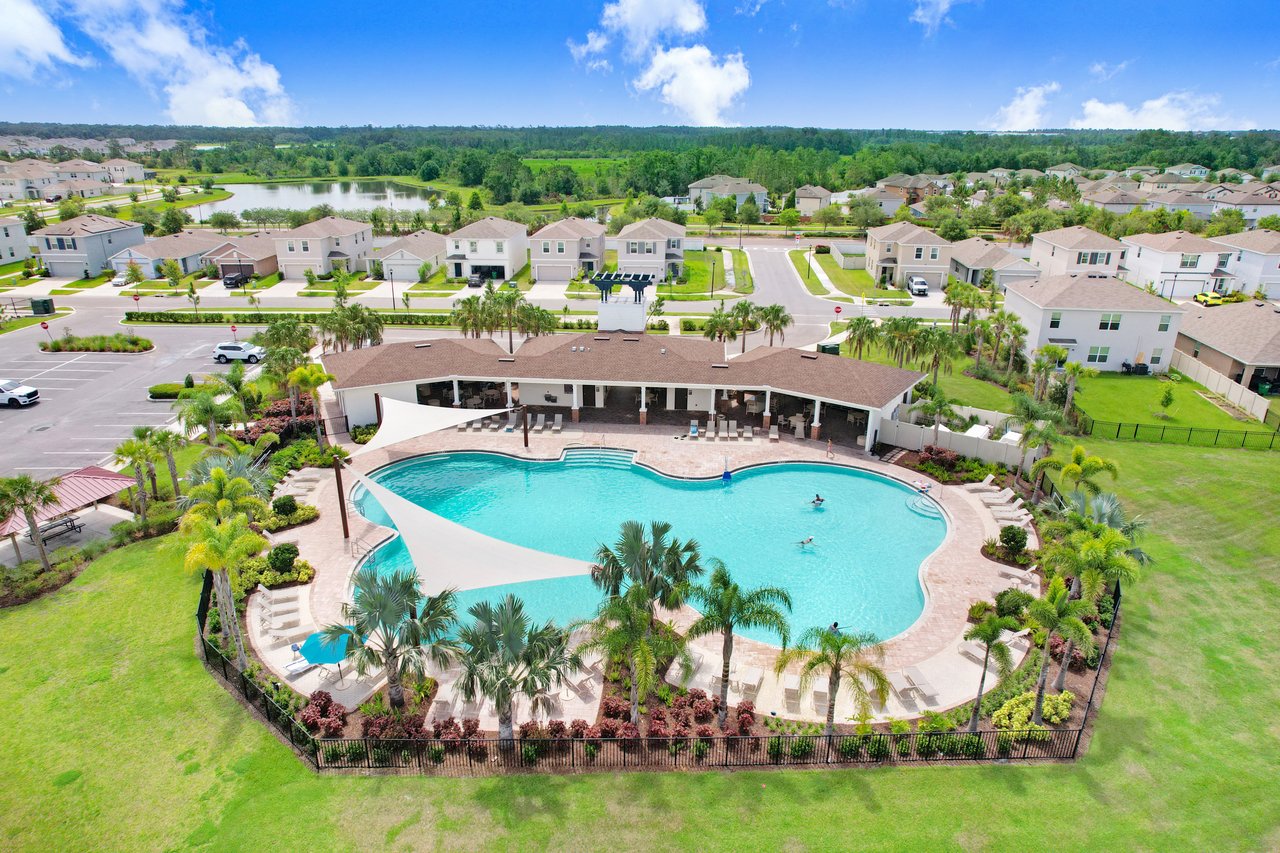
In Wesley Chapel, MPCs are common because the area has grown quickly and offers space for new neighborhoods. These communities are designed for convenience, with features like clubhouses, trails, pools, and event programming that make it easy to connect and stay active. Examples in the area include The Ridge, Estancia, and Winding Ridge. Always verify current amenities and rules directly with each community.
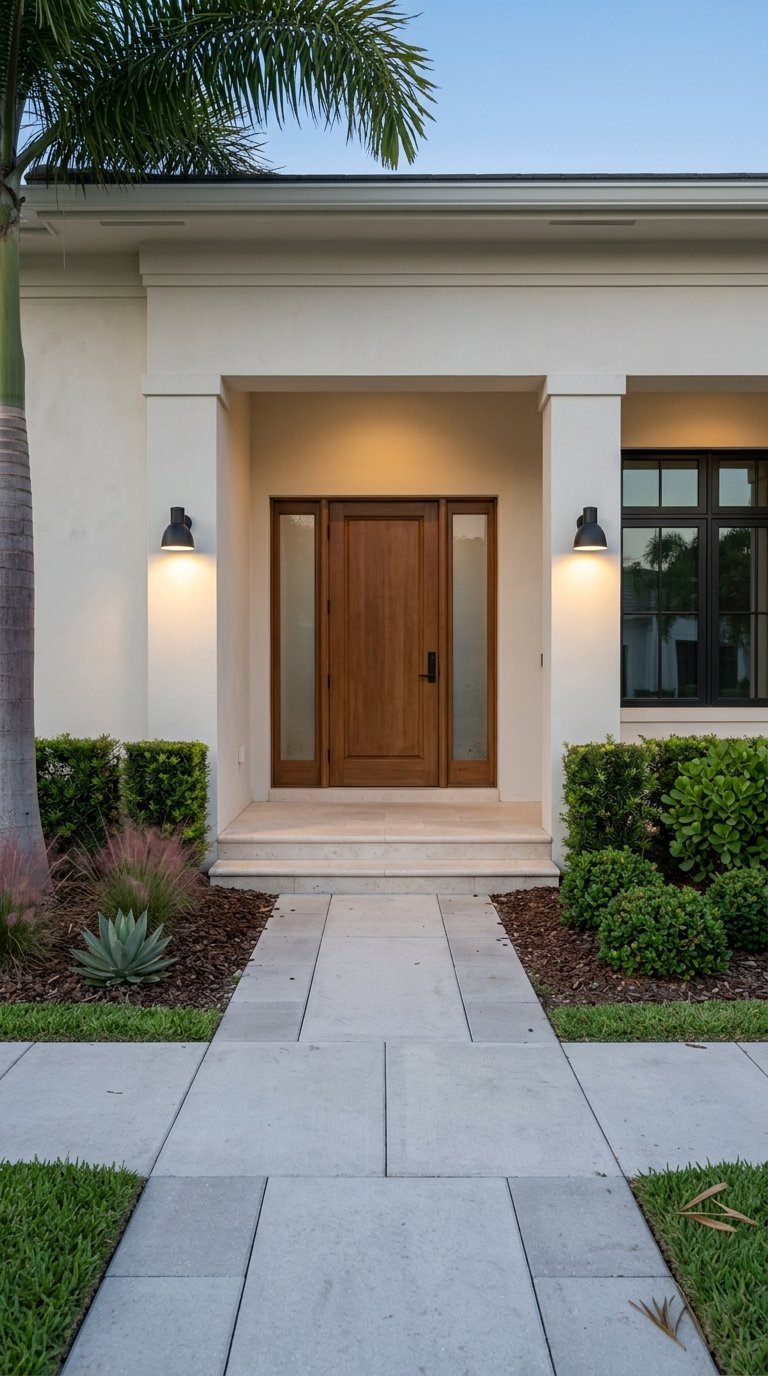
Wesley Chapel sits in Pasco County and has attracted steady residential and commercial growth. Many buyers choose MPCs here for suburban amenities, new infrastructure, and commutability to the broader Tampa Bay metro. You get thoughtfully planned neighborhoods, appealing curb appeal, and access to nearby retail and medical services that fit busy lifestyles.
Master-planned communities typically use a few layers of governance and financing. Understanding each one will help you anticipate your monthly and annual costs.
Most single-family neighborhoods inside MPCs are run by a homeowners’ association governed by Florida Statute Chapter 720. The HOA enforces recorded covenants, collects dues, manages common areas, and oversees rules and architectural guidelines. The board is elected by owners, adopts budgets, and can levy fines for violations per the governing documents and law.
If your home is a condo within a larger MPC, it will be governed by the Florida Condominium Act (Chapter 718). Condo associations have different budgeting and insurance structures than HOAs. Review the condo declaration, bylaws, rules, and financials carefully, since ownership and maintenance responsibilities differ from fee simple single-family homes.
A CDD is a special-purpose local government under Florida Statute Chapter 190. It can issue bonds to fund community infrastructure, such as roads, water management systems, lighting, and amenities. CDD assessments usually appear as non-ad valorem line items on your property tax bill. They are separate from HOA dues and continue until the bonds and maintenance obligations are paid according to the district’s schedule.
Many Wesley Chapel MPCs combine an HOA with a CDD. The HOA may manage day-to-day operations of amenities, while the CDD funds and maintains key infrastructure. This structure enables high-quality common spaces, but it also means you should budget for both HOA dues and CDD assessments.
When you understand the fee types, you can budget accurately and compare communities with confidence.
HOA dues are usually billed monthly or annually by the association. They fund common-area landscaping, clubhouse and pool operations, utilities for shared spaces, management fees, and sometimes gate access or security. Some communities include services like trash or recycling within dues, while others bill those separately.
CDD assessments typically show up on your property tax bill as non-ad valorem charges. They repay infrastructure bonds and fund maintenance for CDD-owned assets. It is important to confirm how long the assessments will continue and whether they cover any amenity upkeep.
Associations may levy one-time special assessments for unexpected repairs or capital projects. Healthy reserve funding lowers the chance of large special assessments. Ask for the most recent reserve study or a statement about reserves so you can gauge long-term planning.
When a property sells, the HOA or condo association issues an estoppel certificate that discloses paid and unpaid assessments and other key details. Associations charge set fees to produce this document. Your closing team will coordinate this, but it is smart to understand timelines and costs.
Wesley Chapel MPCs often highlight a robust amenity mix. The key is matching what you will use with what you are paying for.
Associations set rules for hours, guests, reservations, and usage. Some amenities may be available only to certain sections or require additional passes. Confirm how access works today, not just what was planned in earlier phases.
Some roads, signs, and stormwater systems inside an MPC are private and maintained by the HOA or CDD. Others are public and maintained by the county or public districts. If roads remain private, your association fees cover their upkeep.
Lenders often review HOA or condo documents as part of underwriting. High rental percentages, pending litigation, low reserves, or recent special assessments may limit financing options. For insurance, confirm what the association’s policy covers versus what you need. Single-family owners typically carry an HO-3 policy. Condo owners often carry an HO-6 policy that pairs with the condo association’s master policy.
A little homework goes a long way. Use this checklist during your inspection and document review periods.
When you are serious about a property, back up your findings with official records and professional guidance. Helpful sources include:
Amenities and consistent neighborhood standards can support desirability over time. The tradeoff is the cost and rules that come with well-kept common areas. If you will use the amenities and want low-maintenance living, an MPC can be a great match. If you prefer maximum flexibility on exterior changes or want the lowest possible monthly costs, you may want to compare non-HOA areas too.
Buying in an MPC is part lifestyle choice and part financial decision. You deserve a clear picture of both. We help you:
Prefer to talk in Spanish? Nuestro equipo también te atiende en español.
Ready to take the next step in Wesley Chapel? Connect with Vioma Lorenzo to start your home journey with a local, bilingual team by your side.
Stay up to date on the latest real estate trends.
We are thrilled to share our talents with our Tampa neighbors and out-of-state clients to help them manage their real estate needs. Contact us today!