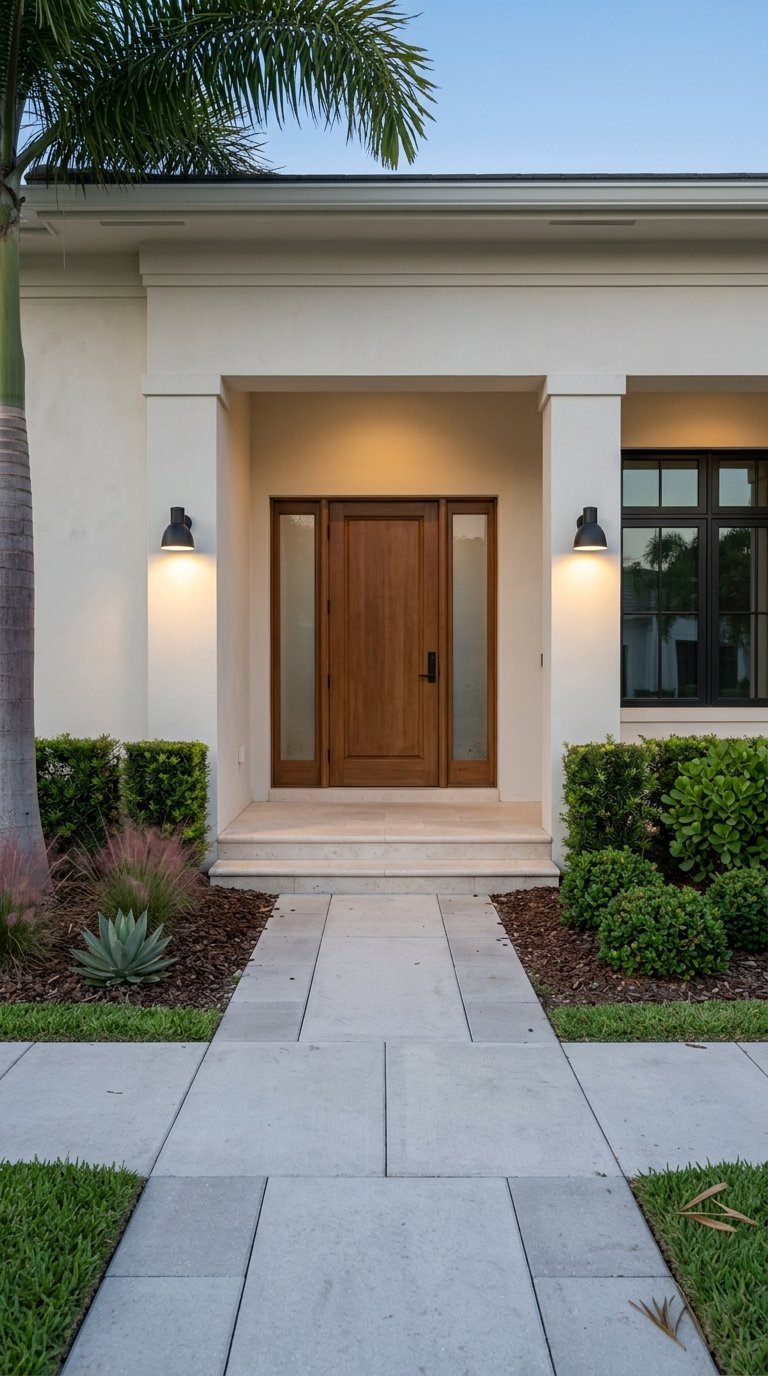
Selling In A Wesley Chapel Master-Planned Community
July 23, 2026
July 23, 2026
Thinking about selling in one of Wesley Chapel’s master-planned communities? You are not just selling a house. You are also selling a set of rules, fees, amenities, and access procedures that can shape how buyers view your property from day one. If you understand those moving parts early, you can avoid common delays and present your home with more confidence. Let’s dive in.
Wesley Chapel has grown significantly since the 2000s, and many newer neighborhoods were built as planned communities rather than basic subdivisions. That means your sale may involve more than a standard home listing.
In many cases, you may be dealing with both a homeowners association and a community development district. For buyers, that often means they are evaluating the home itself, the monthly or annual costs, the community rules, and the amenity package all at once.
In a Wesley Chapel master-planned community, the HOA and CDD often serve different roles. Understanding that difference can help you explain your property more clearly and prepare the right documents before listing.
The HOA typically deals with deed restrictions, community rules, certain amenity oversight, assessments, and architectural review. In communities like Epperson, HOA materials note that architectural applications, violation enforcement, and homeowner assessments are part of that structure.
If you made exterior changes to your home, this matters. Buyers may want to know whether those updates were properly approved under community rules.
A CDD often relates more to public infrastructure and related assessments. In communities like Seven Oaks, the district describes responsibilities tied to community appearance, recreational facilities, street lighting, and infrastructure administration.
For sellers, this matters because buyers may ask what they are paying for and how those charges differ from regular county taxes. Florida's specific CDD contract notice under §190.048 addresses initial sales. For a resale, ask your closing professional which district and assessment disclosures apply to the transaction.
One of the smartest things you can do is build your document package before your home goes live. This helps reduce surprises during contract review and keeps your sale moving.
Florida law requires associations to keep governing documents available to members and prospective members. That gives you a strong starting point for preparing buyer-ready information.
Start with the core records a buyer is likely to review:
If your property is in a CDD, confirm that as well. That will help your transaction team include the right disclosure language in the contract package.
Under Florida Statutes §720.30851, an HOA generally must issue an estoppel certificate within 10 business days after a qualifying written or electronic request. This document is important because it can show regular assessments, unpaid amounts, transfer fees, open violations, transfer approval requirements, right of first refusal information, and insurance contacts.
Ordering it early gives you time to catch issues before a buyer does. If there is a balance due or an unresolved violation, you want to know that before you are under contract.
Master-planned community sales in Florida often involve more than a simple property disclosure conversation. You need to confirm what applies to your home and address it before marketing begins.
Depending on the property, your sale may require flood disclosure, HOA or special taxing district language, and PACE-related disclosures where relevant. Florida law requires a flood disclosure at or before contract execution.
This is one reason preparation matters so much. When your paperwork is complete from the start, buyers can review the full picture with fewer last-minute questions.
If your home has known latent defects, unpermitted work, or open or expired permits, address those issues before listing if possible. Florida law recognizes a duty to disclose known material defects that are not readily observable, and an as-is sale does not remove that duty.
This is especially important if you updated the exterior. If the work needed HOA or architectural review approval, confirm that approval is on file before your listing goes live.
When you sell in a master-planned community, buyers are often comparing the neighborhood experience as much as the home itself. That means your marketing should be specific, factual, and easy to understand.
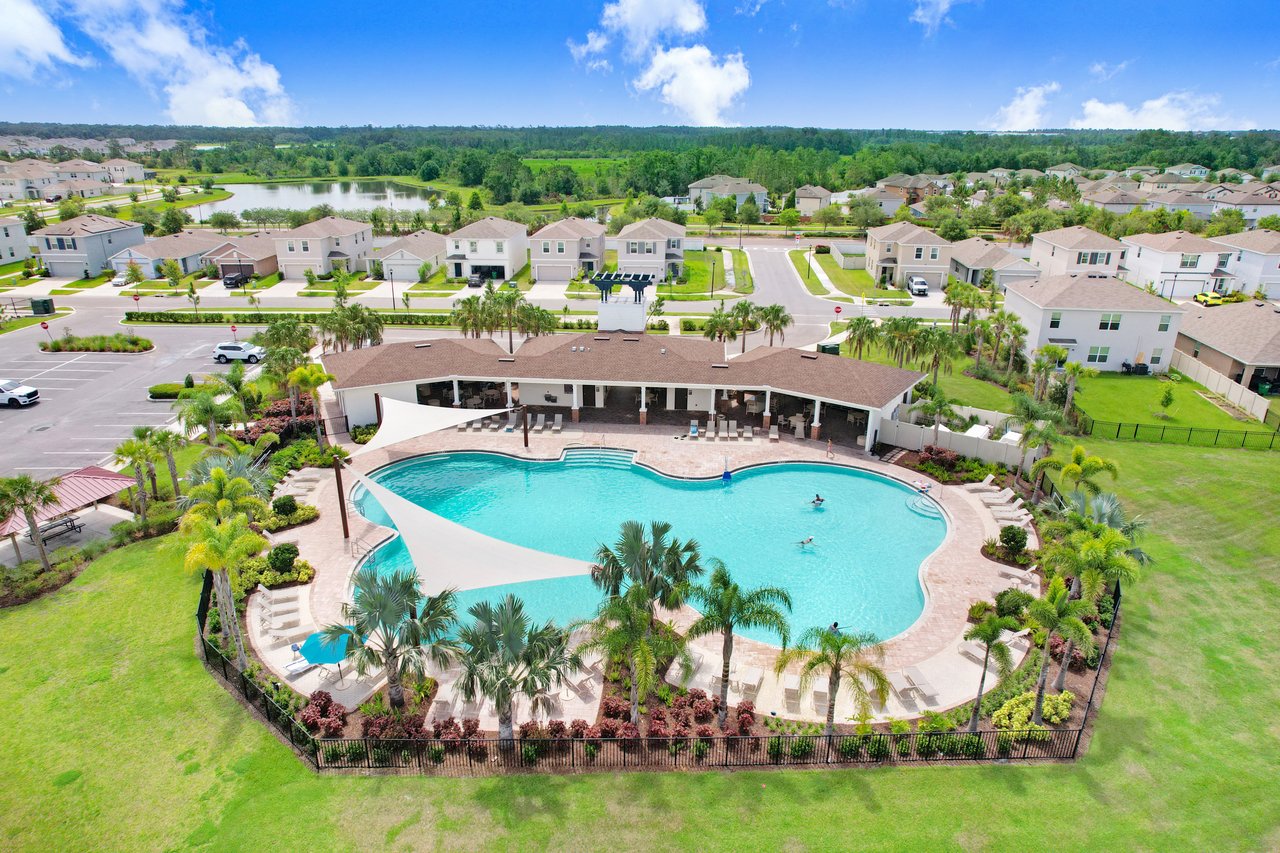
Avoid vague descriptions and lead with amenities you can verify. In Seven Oaks, listed amenities include pickleball, basketball, a 24-hour fitness center, a movie theater, pools, a water slide, a splash park, pool cabanas, a nature trail, soccer, tennis, and volleyball.
That kind of detail is more useful than broad lifestyle language. It helps buyers picture how the community functions and what they may actually use.
Amenities alone are not the whole story. Some facilities may require reservations, rental agreements, or ID-based access.
If buyers learn those details early, they are less likely to feel surprised later. Clear expectations build trust and can help your listing stand out for the right reasons.
Florida law requires HOA budgets to separately show fees or charges paid for recreational amenities, whether the amenity is owned by the association, the developer, or someone else. That means your budget documents can help explain what monthly dues are supporting.
For buyers who are comparing similar homes, this can be valuable context. It shifts the conversation from just the amount of the dues to what those dues may cover.
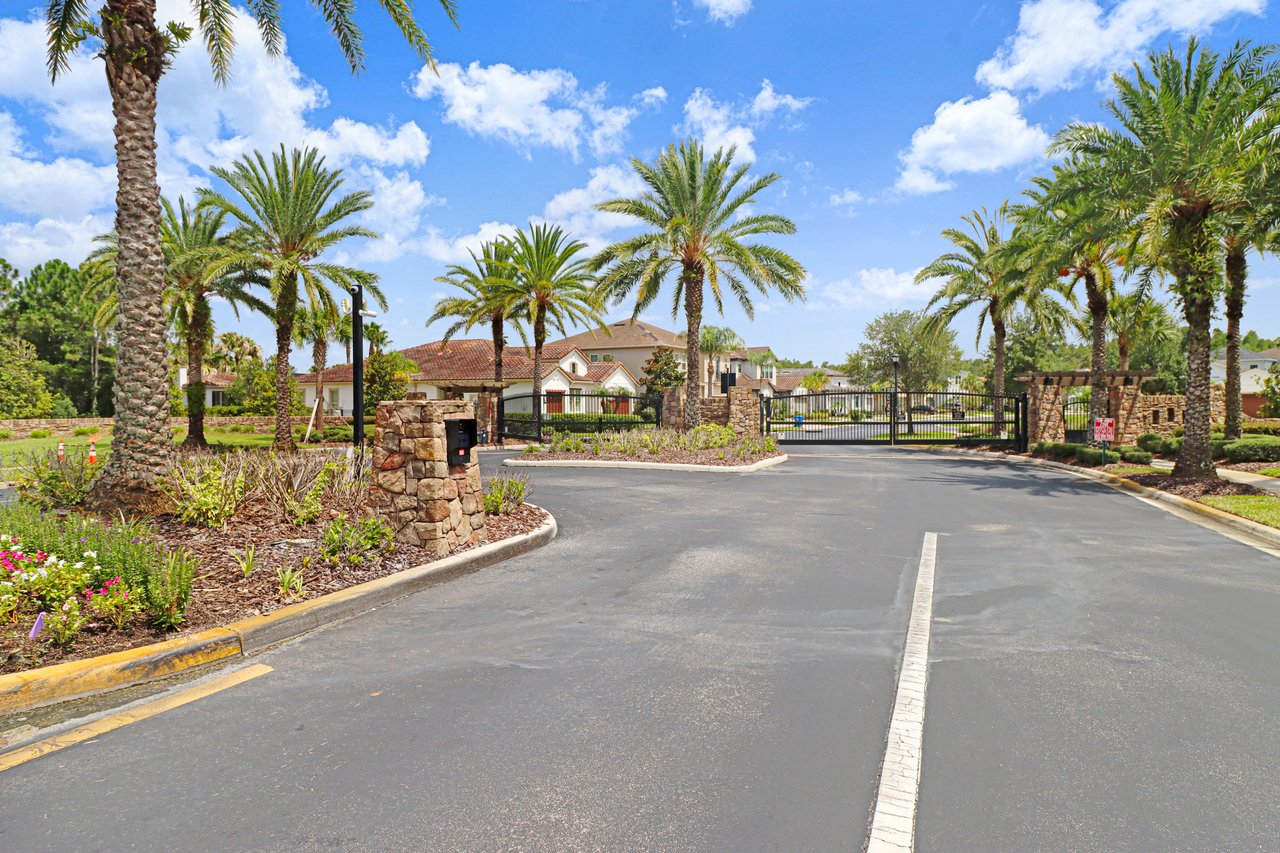
A gated or access-controlled community can add an extra layer to your listing process. If you do not plan ahead, showings can become harder to schedule and easier to miss.
Before marketing starts, confirm the showing process for your neighborhood. That may include gate codes, visitor lists, RFID access, app access, clubhouse ID check-in, parking rules, and whether any amenity areas are reserved.
In Epperson, community information notes that households must be registered to avoid lockouts and that gates may involve RFID stickers and visitor management through the Cell-Gate app. In Seven Oaks, new residents are directed to the clubhouse for ID access, and some amenities require reservations in advance.
The easier it is for approved visitors to enter the community and view the property, the better. Access problems can create a poor first impression before a buyer even walks through your front door.
A smooth showing plan can also help your agent coordinate traffic more efficiently, especially in active neighborhoods where weekend schedules fill quickly.
Many master-planned community transactions do not fall apart because of price alone. They slow down because of missing information, unresolved fees, or approval issues that could have been addressed earlier.
These are some of the most common reasons a sale may stall:
The estoppel timing matters too. Under Florida law, estoppels have an effective period of 30 or 35 days depending on delivery method, so your closing team should confirm it is still current before closing.
If your home is in a CDD, keep that assessment structure visible throughout the transaction. Buyers may ask how those charges fit into their total ownership costs.
A clear explanation early in the process can prevent confusion later. It also helps buyers compare your property fairly against homes in other Wesley Chapel communities.
If you want a practical way to prepare, use this order of operations:
Selling in a Wesley Chapel master-planned community can be a real advantage when you prepare well. Buyers are often drawn to these neighborhoods for their amenities, structure, and overall community setup, but they also expect clear answers about fees, rules, and access. When your home is marketed accurately and your documents are in order, you create a smoother path from listing to closing.
If you are getting ready to sell in Wesley Chapel and want local guidance on how to position your home in a master-planned community, connect with Vioma Lorenzo for thoughtful, neighborhood-focused support.
Stay up to date on the latest real estate trends.



We are thrilled to share our talents with our Tampa neighbors and out-of-state clients to help them manage their real estate needs. Contact us today!