A Guide to New Tampa Gated Communities and Daily Life
July 16, 2026
July 16, 2026
If you are house hunting in New Tampa, a gated community can sound like the obvious upgrade. But in a place like New Suburb Beautiful, the better question is not whether gated living is good or bad. It is whether the tradeoffs match the way you want to live, your budget, and what you expect from a neighborhood. This guide will help you compare the real pros, costs, and day-to-day details so you can decide with confidence. Let’s dive in.
New Tampa is known for its suburban, master-planned layout. City sources place communities like Tampa Palms in the New Tampa area, and much of the area is organized around large planned communities instead of small standalone subdivisions.
That matters because your choice is often not simply gated versus non-gated. In some New Tampa communities, both options exist within the same larger neighborhood. West Meadows is a good local example, with both gated and non-gated villages inside one master-planned community.
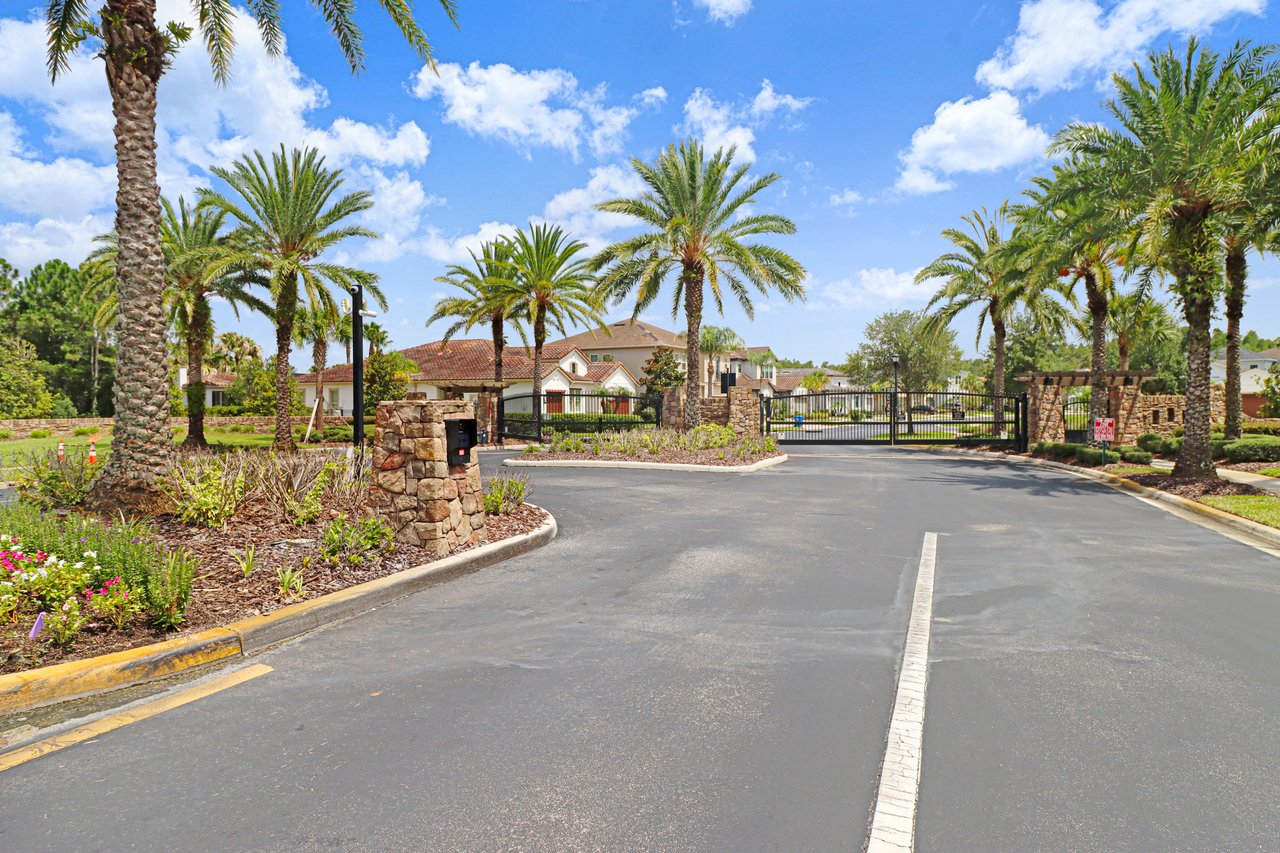
In New Tampa, gated living usually means a more controlled entrance and a more structured community setup. That can include a guardhouse, access-card readers, gate codes, or fob-based entry depending on the neighborhood.
Some communities take a more staffed approach. For example, The Reserve at Tampa Palms highlights a 24-hour manned gatehouse, while K-Bar Ranch uses gate-entry systems and access control for amenities.
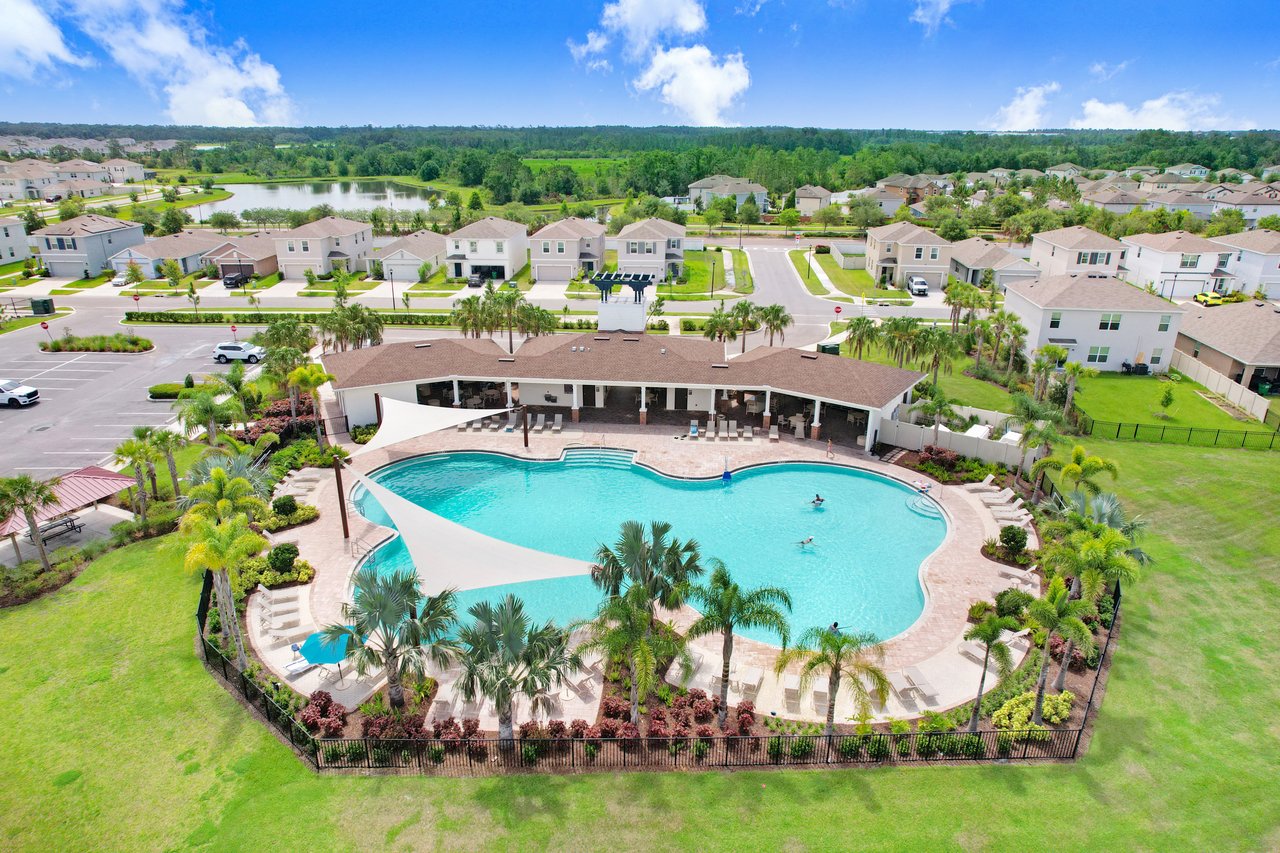
Just as important, gated communities often come with shared amenities. In the New Tampa area, that can include pools, clubhouses, parks, trails, playgrounds, tennis courts, fitness facilities, and recreation centers.
For many buyers, the appeal is simple. You may want a more controlled entry point, a neighborhood that feels more consistent, and amenities that are close to home.
That setup can work especially well if you like planned communities with bundled features. Instead of searching for recreation elsewhere, you may have access to a pool, fitness space, sports courts, or walking areas within the community itself.
Another draw is predictability. Communities with access controls and architectural standards often have a more uniform look and feel, which some buyers find appealing when choosing a long-term home.
Gated living is not just about the entrance. It usually comes with more rules, more recurring costs, and less flexibility than you might have in a non-gated neighborhood.
In Florida, HOA members, tenants, guests, and invitees must follow the association’s governing documents and rules. If a community’s declaration or published standards allow it, architectural review can also apply to exterior changes.
That means you should expect to review more than the home itself. Parking rules, guest access, rental limits, exterior updates, and amenity use policies can all shape your experience after move-in.
The biggest surprise for many buyers is that gated living costs can come from more than one place. You may have HOA dues, separate assessments, and in some communities, CDD charges that appear on the annual tax bill.
Under Florida law, assessments and amenity fees are amounts payable to the association, developer, or recreational facilities serving the property. Unpaid amounts can become a lien on the property, so it is important to understand exactly what you are agreeing to before closing.
A Community Development District, or CDD, is a special-purpose local government created to finance and maintain community infrastructure. In practice, that means some New Tampa buyers will see non-ad valorem assessments collected on the tax bill, and those charges may include operations and maintenance, debt service, or both.
One more thing to keep in mind: fees are not always uniform across an entire area. Tampa Palms’ adopted assessment schedule for fiscal year 2024-25 shows different per-unit charges by village and parcel type, so you should never assume every home in a gated area carries the same total cost.
Your daily routine may matter more than the gate itself. A gated neighborhood can offer more structure and bundled amenities, while a non-gated neighborhood may offer easier access for visitors and fewer internal access controls.
That does not mean non-gated always means no rules. In New Tampa, some non-gated neighborhoods are still HOA-governed and deed-restricted, so you may still have standards for maintenance, appearance, or use.
The difference often comes down to how much structure you want. If you value easy in-and-out access and fewer barriers for guests, non-gated may feel simpler. If you prefer a more managed entry and private amenity setup, gated may be a better fit.
A private amenity package can be attractive, but it is smart to compare it with what is already available nearby. New Tampa also offers public recreation options, including the City of Tampa’s New Tampa Center and nearby public park and recreation resources.
That comparison can help you decide whether private amenities are worth the added monthly or annual cost. If you know you will use the pool, fitness center, courts, or clubhouse often, the value may be clear. If not, you may prefer putting that money toward a different home feature.
When you tour homes in New Suburb Beautiful or the broader New Tampa area, ask specific questions early. The answers can change how affordable and practical a home feels.
Here are some of the most important ones:
These questions help you compare homes on more than price alone. They also help you avoid surprises after closing.
A gated community in New Tampa may be a great fit if you want a more controlled entrance, shared amenities, and a neighborhood with more uniform standards. It can also make sense if you already know you want a master-planned setting with a structured community feel.
A non-gated option may be better if you want easier visitor access, fewer internal access controls, or potentially lower recurring obligations. Since some New Tampa communities offer both gated and non-gated villages, you may not have to choose between the broader location you want and the lifestyle details that matter most.
The key is to compare each community carefully. In this part of Tampa, the label alone does not tell you enough. The rules, fees, access setup, and amenity package are what really determine whether a neighborhood fits your life.
If you want help comparing gated and non-gated homes in New Tampa or nearby communities, Vioma Lorenzo can help you sort through the details and find the right fit for your goals.
Stay up to date on the latest real estate trends.

Builders, homes, amenities, schools, Publix plans, and the proposed surf and water park.

We are thrilled to share our talents with our Tampa neighbors and out-of-state clients to help them manage their real estate needs. Contact us today!